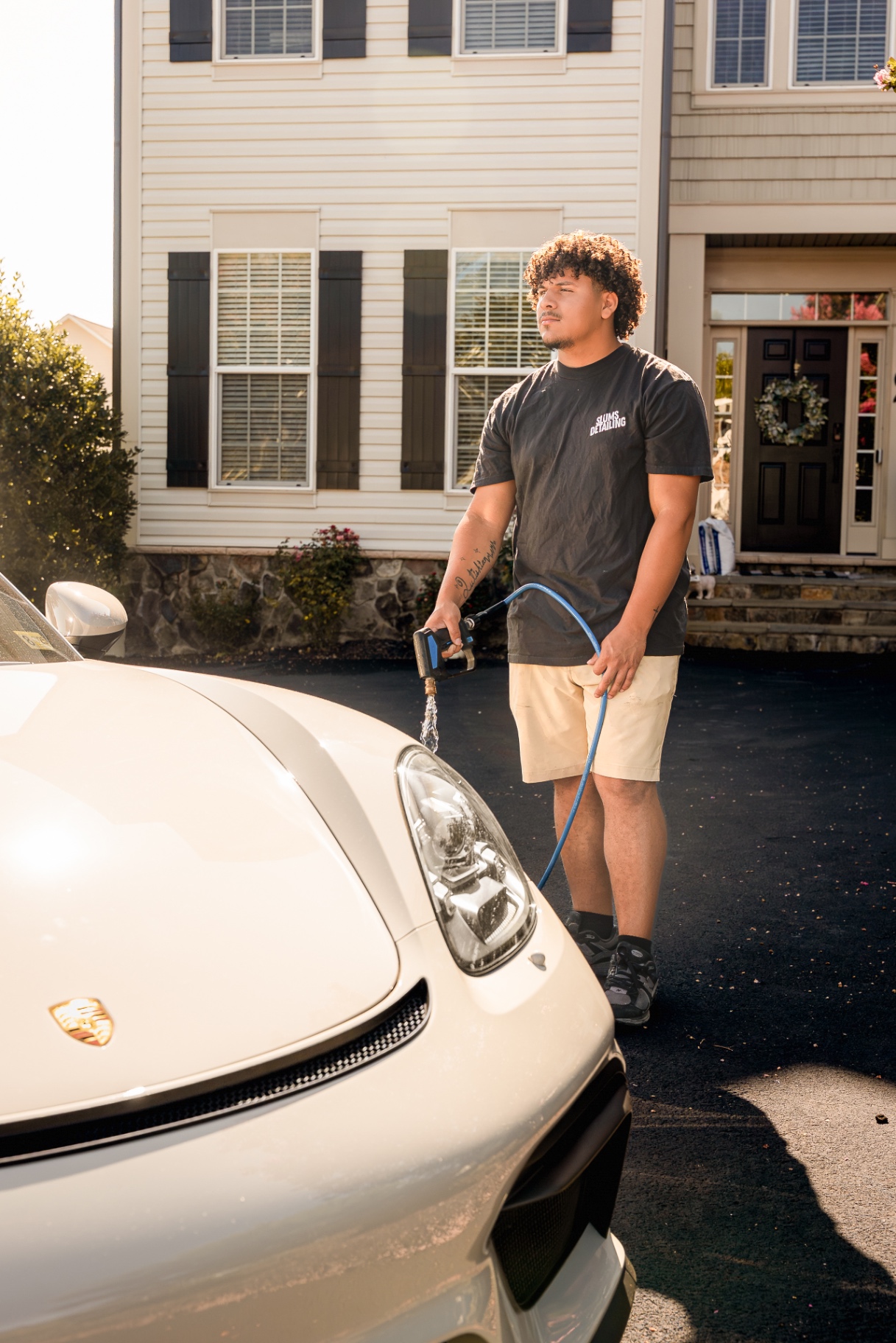
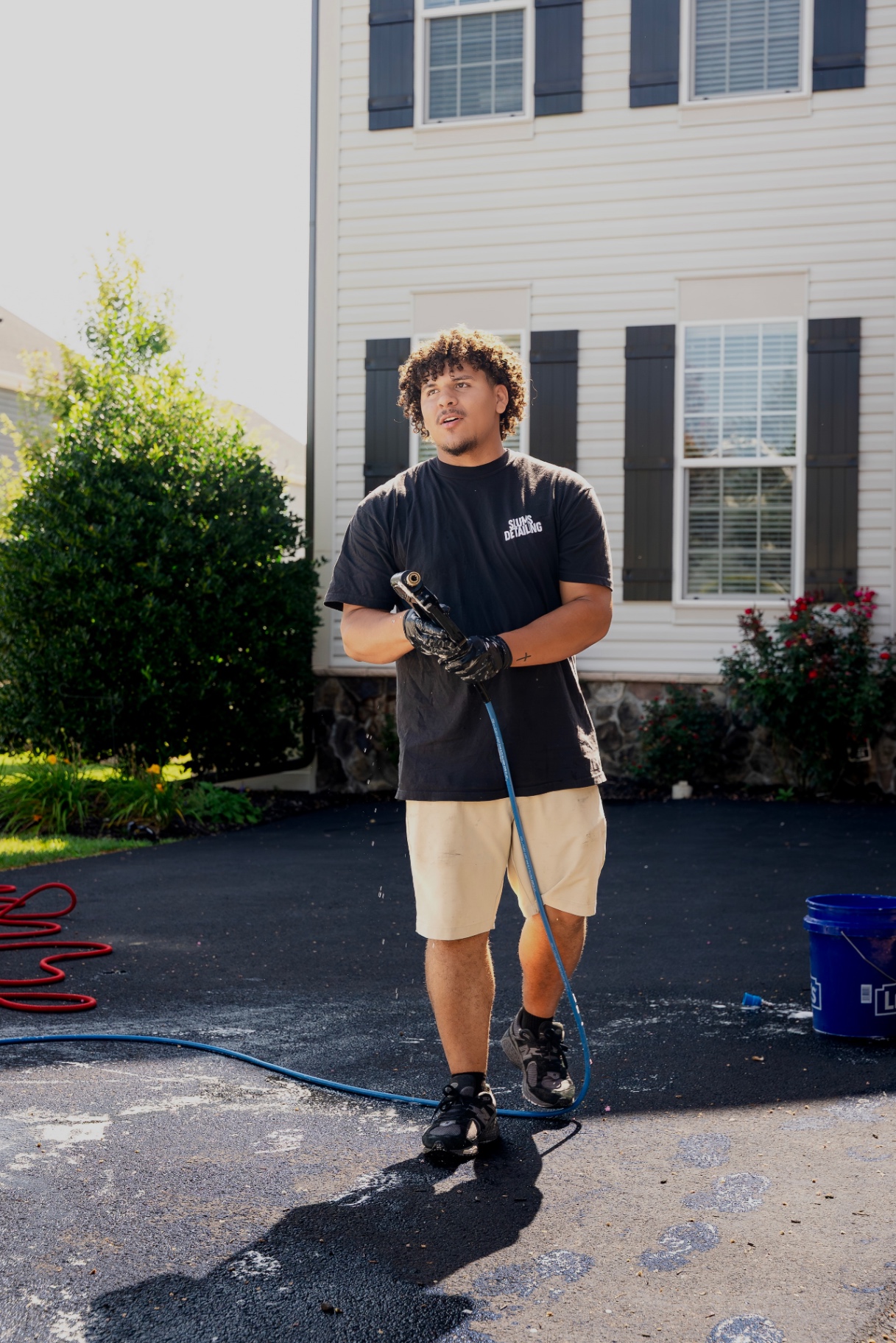
Ceramic coating is long-term paint preservation for the vehicle you just bought — or the one whose deep, clean shine you miss. Dominick inspects the finish, removes bonded contamination, corrects it only where safe, then seals that work beneath a premium 6-year coating. The bottle matters; the preparation and skilled hands matter more.
How much does ceramic coating cost in Martinsburg, WV?
Ceramic coating in Martinsburg costs $500–$1,000 for a small vehicle, depending on the level. Level 1 includes full exterior decontamination and a 6-year coating on the paint. Level 2 adds a one-step polish, and Level 3 adds a two-stage correction plus coating on paint, windows, and wheels. Midsize and large vehicles run $150–$350 more.
Protect a new vehicle
New paint is easiest to preserve before tunnel washes, winter salt, pollen, and daily contamination leave years of visible wear.
Bring the gloss back
If the paint looks gray, hazy, or covered in wash swirls, correction restores clarity before the coating locks in the finish.
Make upkeep easier
The slick, water-repelling surface helps grime release during proper washes, reducing the scrubbing that creates new marks.
Choose the prep your paint needs
Three Clear Levels
The coating is only as good as the finish beneath it. Every level starts with deliberate exterior preparation; Levels 2 and 3 add condition-led correction. Dominick chooses the approach after inspecting the paint rather than assuming every finish needs the same cut.
Vehicle Size Guide
Use the examples below when choosing your size. If your vehicle falls between categories, Dominick will confirm it before the appointment.
Small
Toyota Corolla, Honda Civic, Mazda 3
Midsize
Toyota RAV4, Honda CR-V, Ford Escape — SUVs without third-row seating
Large
Chevy Suburban, Ford F-150, Toyota Highlander with third row — trucks and SUVs with third-row seating
Select your vehicle size
Prices below are now shown for a Small vehicle.
Preserve
Level 1
$500
Est. time: 1+ hours
Complete exterior decontamination followed by a 6-year ceramic coating on the paint.
Correction percentages are targets, not guarantees. Dominick inspects the paint first and works within safe clear-coat limits; deep scratches that catch a fingernail may require bodywork.
Correction explained
Polish First. Protect Second.
One-step correction
One machine-polishing stage removes a microscopic amount of weathered surface clear coat to level haze, oxidation, wash swirls, and light scratches. On suitable paint, Level 2 targets roughly 60–70% improvement while preserving as much clear coat as possible.
Two-step correction
Level 3 begins with a cutting stage for heavier defects, followed by a finer polishing stage that removes compounding haze and restores clarity. It is for paint that needs a deeper reset, not simply more product.
Every vehicle is different
Color Reveals. Paint Decides.
Black, navy, red, and other dark colors reflect defects sharply, so even light swirls can make them look dull. White, silver, and lighter colors hide those marks better, but still collect bonded contamination and lose slickness and clarity.
Paint hardness also varies between brands, models, panels, factory finishes, and repainted areas. A soft finish may correct quickly but mark easily; a harder finish may require more work. That is why the safest level is chosen from the actual paint — not the badge on the hood.
The science, without the hype
Wax on Steroids — With Limits
That phrase is an easy way to picture it: ceramic protection lasts far longer than traditional wax and creates stronger water behavior. More precisely, the liquid coating cures and cross-links into a thin protective film on prepared clear coat. Its slick, hydrophobic surface makes water bead and helps salt, pollen, bugs, sap, and road film release more easily.
It is not bulletproof paint. A coating does not stop rock chips, deep scratches, bad wash brushes, or every water spot. What it does is preserve the corrected finish, add chemical resistance, and make safe maintenance much easier — which helps the paint stay glossy for longer.
You are paying for Dominick's preparation, correction, and application skill—not simply the coating in the bottle. As coating technology evolves, he evaluates it and adapts his technique to the finish in front of him. New technology supports expert workmanship; it does not replace it.
Preparation makes the finish
Decontamination and paint correction happen before the coating is applied.
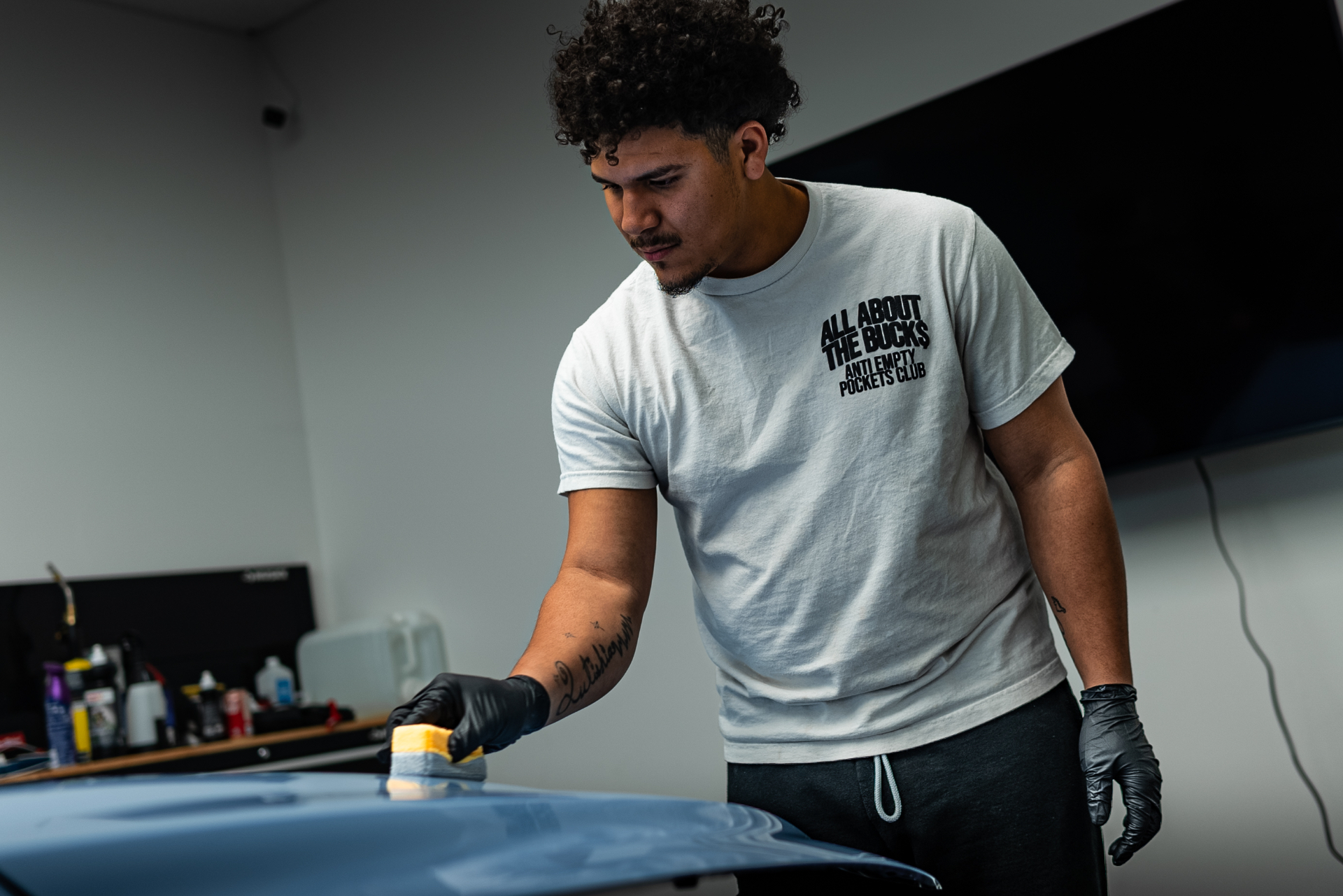
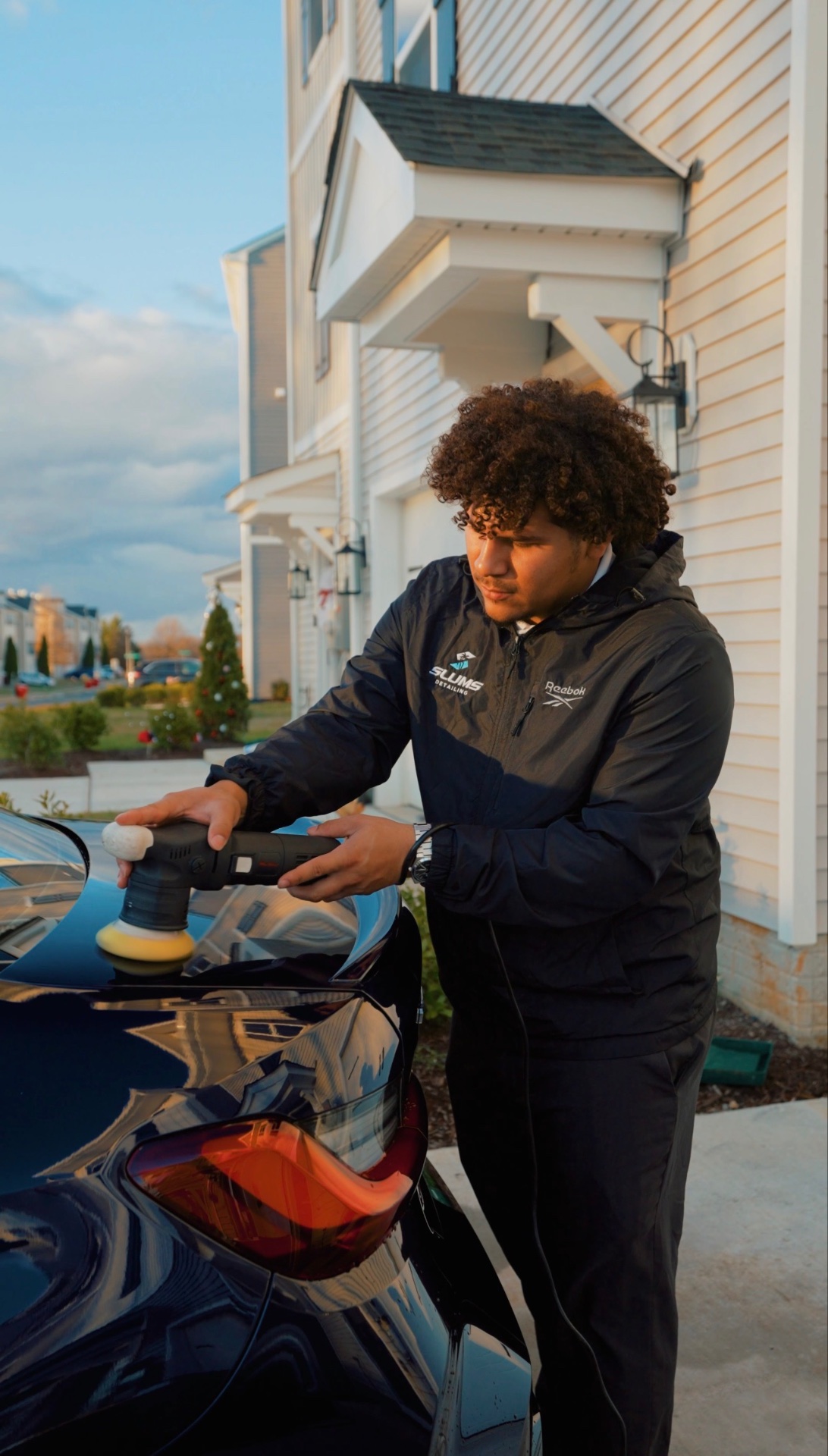
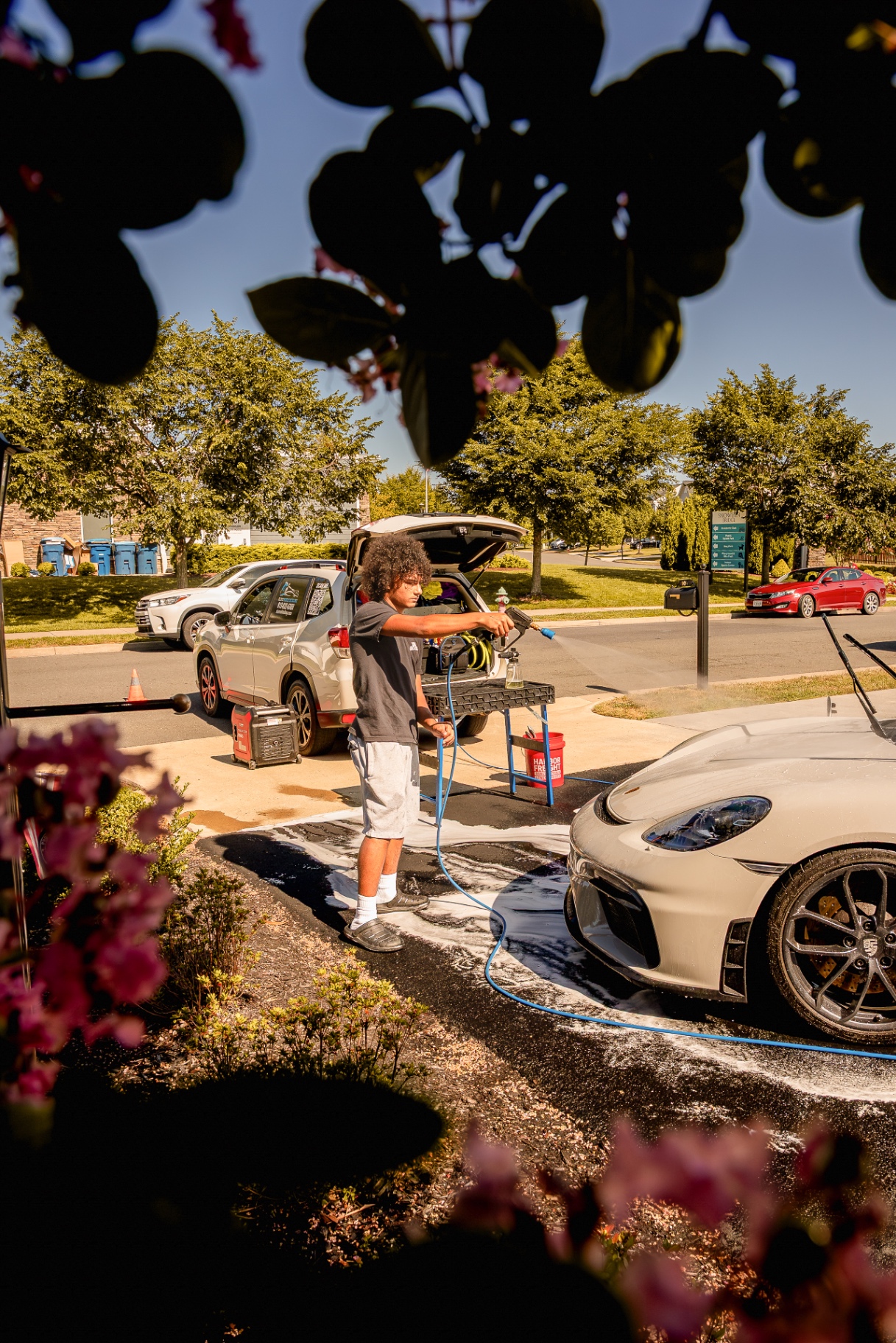
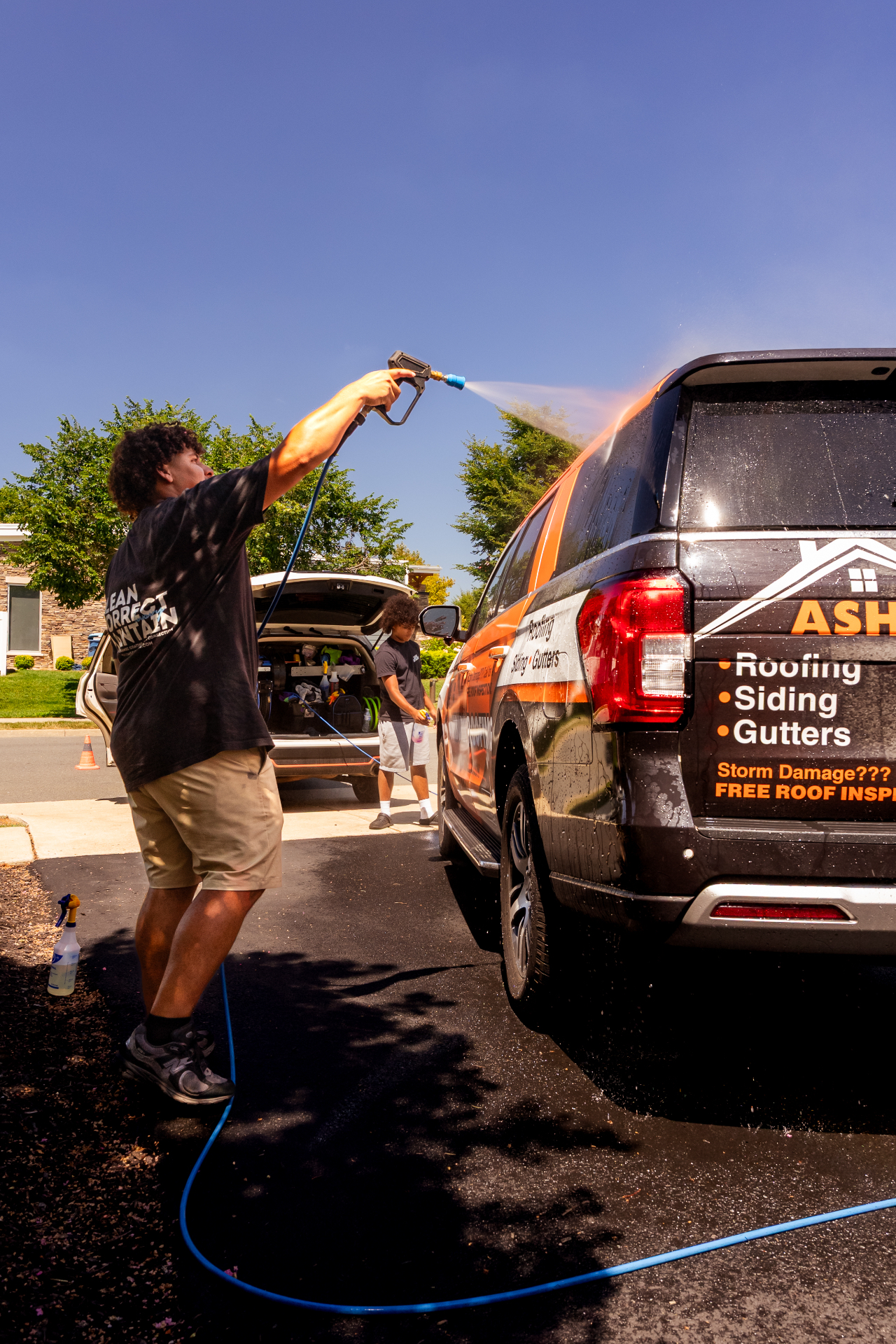
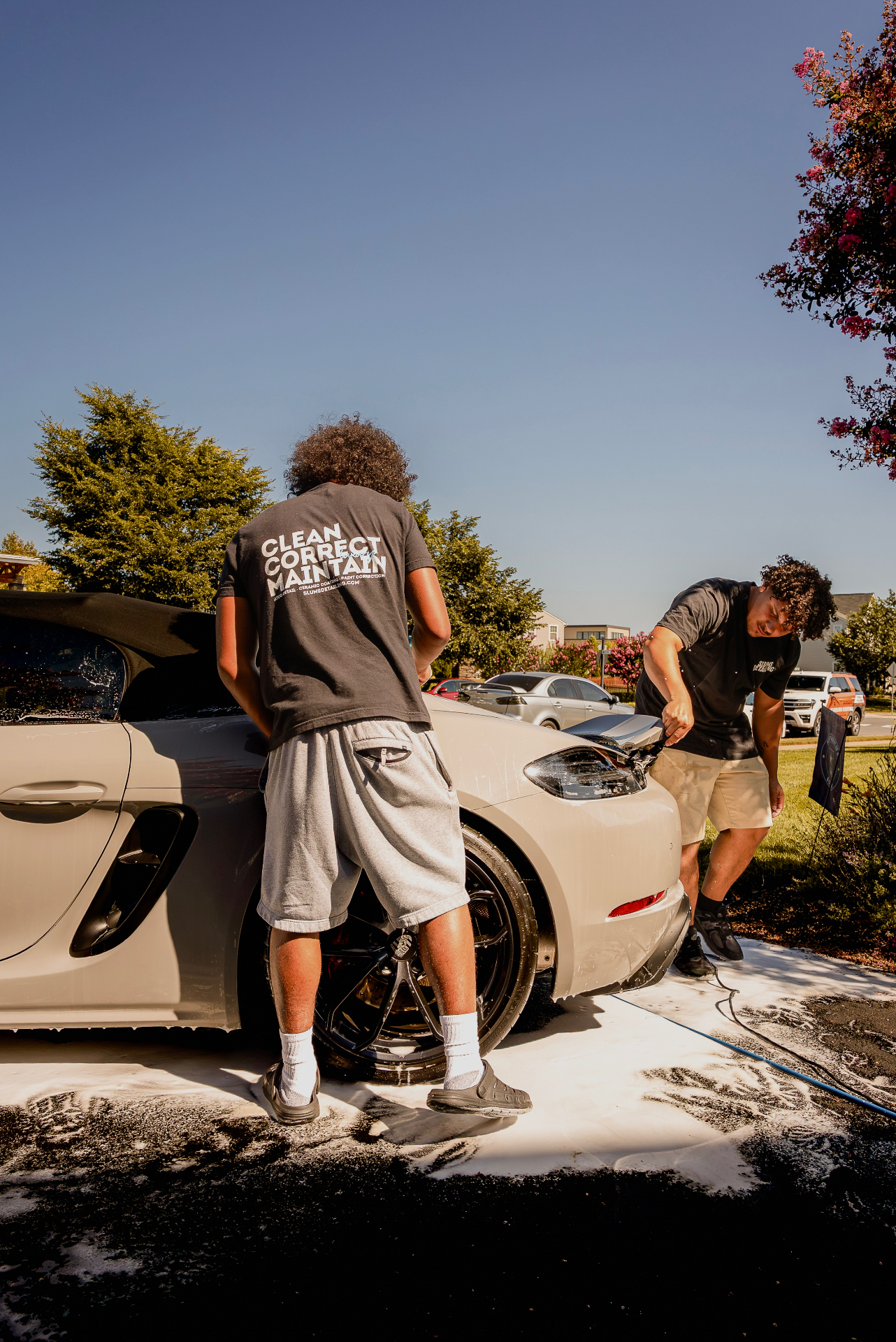
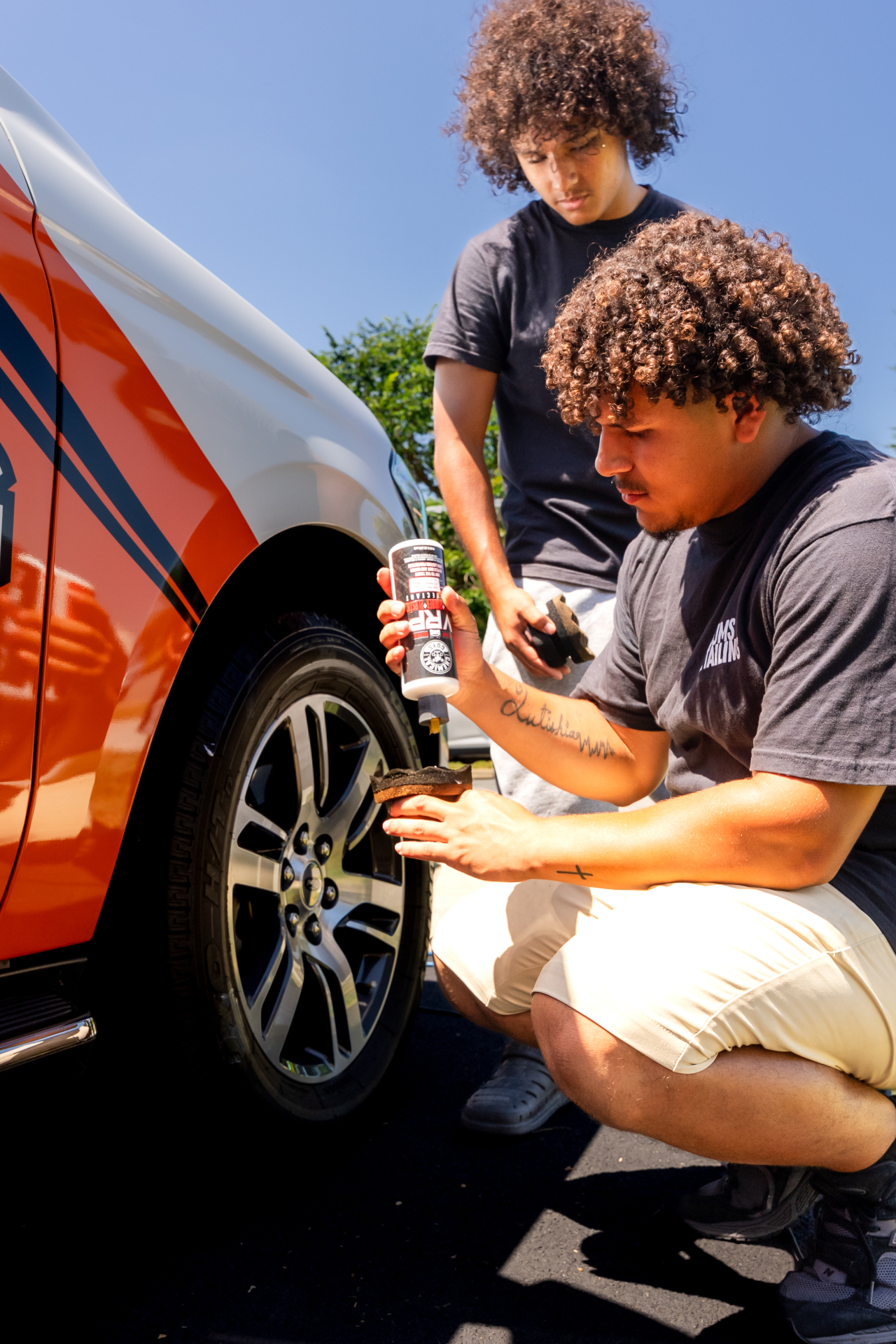
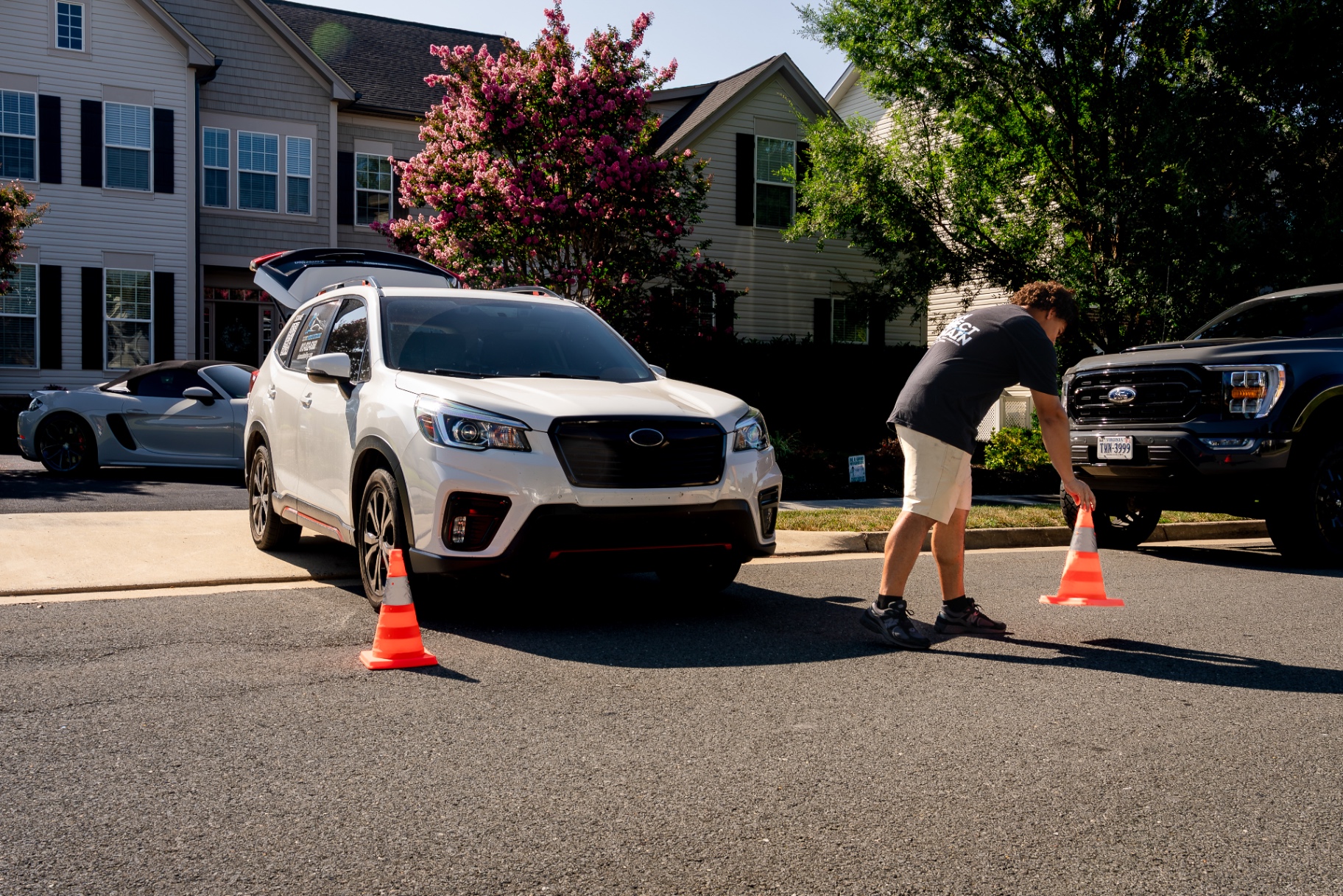
Paint correction in progressHand wash, done rightDriveway service, self-contained6-year ceramic paint protectionFoam bath, two-bucket washWheels & tires dressedConed-off, careful setupOwner rinse-downDominick at work
Tell Dominick whether the vehicle is new, its color, and what you see in direct sunlight. He'll guide you toward the safest level — not automatically the most expensive one.